
A Complete Guide to Property Management in AB, Canada


Understanding Property Management
Property management in Alberta, Canada, involves overseeing residential, commercial, and industrial real estate. This role includes responsibilities such as maintenance, tenant relations, and financial management. Whether you're a property owner or a prospective manager, understanding these elements is crucial.
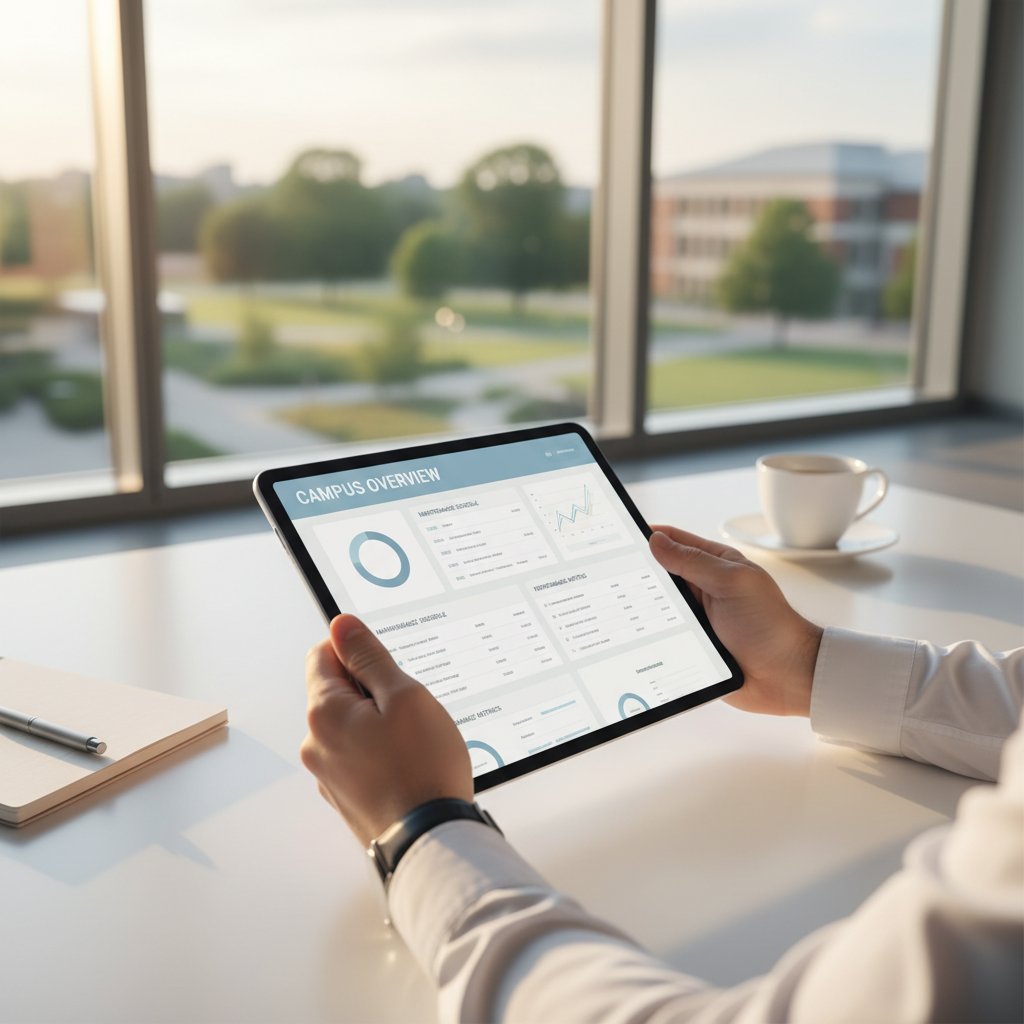
The Role of a Property Manager
A property manager acts as the intermediary between owners and tenants. They handle tasks such as rent collection, property maintenance, and tenant screening. This role requires a blend of communication skills and technical knowledge to ensure properties are well-maintained and profitable.
Key Responsibilities
Property managers in Alberta must adhere to provincial regulations. Key responsibilities include:
- Ensuring properties meet safety and legal standards
- Handling tenant complaints and disputes
- Overseeing property repairs and maintenance
Legal Considerations
In Alberta, property management is governed by specific laws and regulations. Managers must understand the Residential Tenancies Act to ensure compliance. This includes understanding tenant rights, lease agreements, and eviction procedures.

Licensing Requirements
To manage properties in Alberta, individuals or companies must be licensed through the Real Estate Council of Alberta (RECA). This ensures managers have the necessary knowledge and skills to operate legally and ethically.
Financial Management
Effective financial management is a cornerstone of successful property management. This includes budgeting, rent collection, and financial reporting. Managers must also plan for unexpected expenses and ensure a steady cash flow.
Budgeting and Planning
Creating a comprehensive budget involves forecasting expenses and income. This helps in maintaining financial stability and planning for future developments or emergencies.

Technology in Property Management
Modern property management increasingly relies on technology. Software solutions can streamline operations, from tenant applications to maintenance scheduling. Embracing these tools can lead to increased efficiency and better tenant relations.
Benefits of Property Management Software
Using property management software can automate tasks, reduce errors, and provide real-time data. This allows managers to focus more on strategic planning and improving tenant experiences.
Conclusion
Property management in Alberta involves a mix of interpersonal, legal, and financial skills. By understanding the responsibilities and leveraging modern technology, property managers can enhance property value and tenant satisfaction. Whether you're new to property management or looking to refine your skills, staying informed is key to success.