
Case Study: Successful Implementation of Sustainable Practices in AB Properties


Introduction to Sustainable Practices
In recent years, the focus on sustainability has intensified, with businesses across various sectors striving to implement eco-friendly practices. One remarkable example of this trend is the successful implementation of sustainable practices by AB Properties. This case study explores the strategic steps taken by AB Properties to integrate sustainability into their operations, showcasing the benefits and challenges encountered along the way.

Commitment to Green Building Standards
AB Properties embarked on their sustainability journey by committing to green building standards. This involved adopting energy-efficient designs and utilizing sustainable materials in construction projects. By incorporating renewable energy sources, such as solar panels, they significantly reduced their carbon footprint. Additionally, they focused on enhancing insulation and ventilation systems to improve energy efficiency.
To ensure adherence to these standards, AB Properties sought certifications from recognized environmental organizations. Achieving these certifications not only validated their efforts but also enhanced their reputation in the industry.
Waste Reduction Initiatives
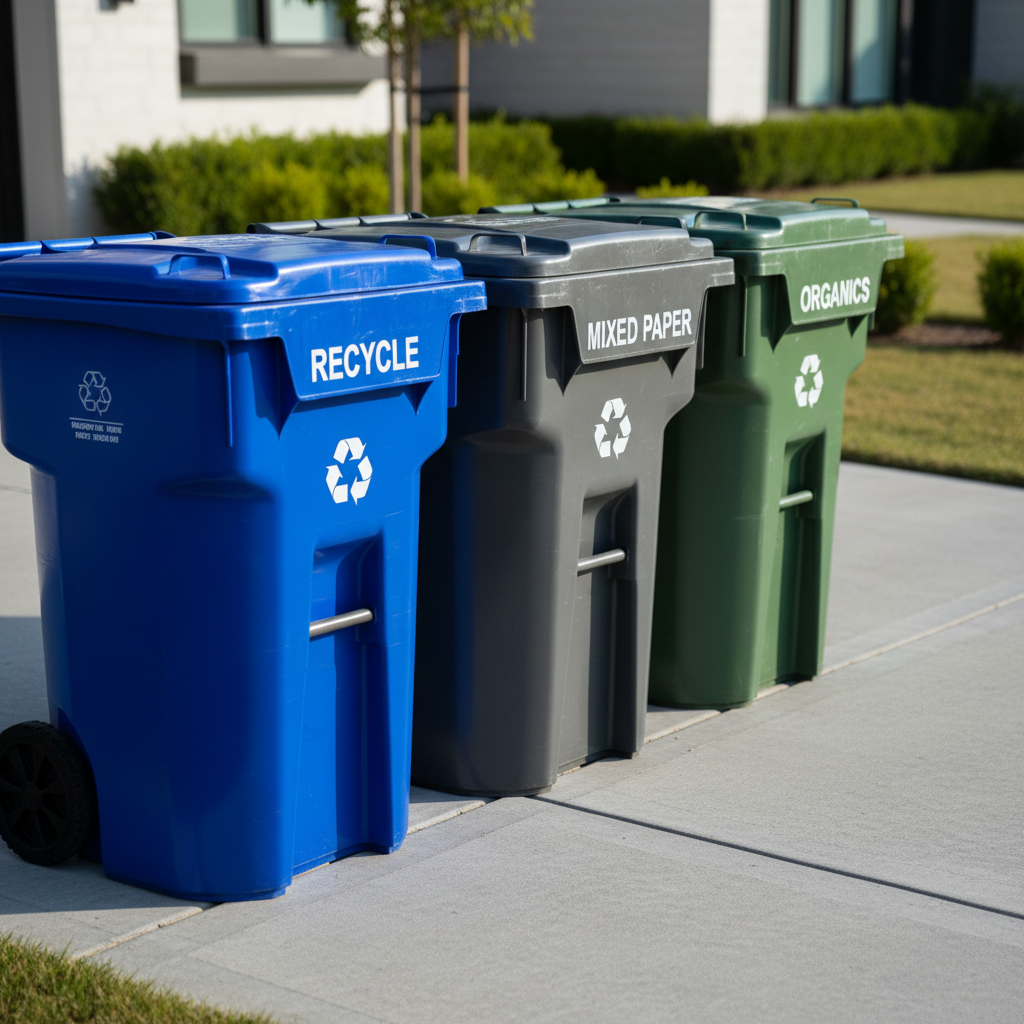
A critical aspect of AB Properties' sustainability strategy was reducing waste across their properties. They implemented comprehensive recycling programs and encouraged tenants to participate actively. By setting up dedicated recycling stations and providing clear guidelines, they significantly increased the recycling rate among tenants.
Furthermore, AB Properties introduced composting initiatives to manage organic waste effectively. This approach not only reduced landfill waste but also provided nutrient-rich compost for landscaping purposes.
Water Conservation Measures
Understanding the importance of water conservation, AB Properties implemented several measures to minimize water usage. They installed low-flow fixtures and smart irrigation systems across their properties. These technologies helped in reducing water consumption without compromising on quality and comfort.
In addition, they conducted regular audits to identify areas for further improvement. By monitoring water usage and making necessary adjustments, AB Properties optimized their water conservation efforts.
Engaging Stakeholders
AB Properties recognized the importance of engaging stakeholders in their sustainability initiatives. They conducted workshops and seminars to educate tenants and employees about the benefits of sustainable practices. This proactive approach fostered a culture of environmental responsibility within the community.

Moreover, AB Properties collaborated with local organizations and government bodies to support broader sustainability efforts. By participating in community clean-up events and sponsoring eco-friendly projects, they reinforced their commitment to creating a sustainable future.
Measuring Success and Overcoming Challenges
To measure the success of their sustainability initiatives, AB Properties employed key performance indicators (KPIs) such as energy consumption, waste reduction, and water usage metrics. Regular assessments enabled them to track progress and make informed decisions for continuous improvement.
Despite the successes, AB Properties faced challenges, including initial costs and resistance to change. However, through effective communication and demonstrating the long-term benefits, they overcame these hurdles and achieved their sustainability goals.
Conclusion
The case of AB Properties highlights the positive impact of integrating sustainable practices into business operations. Their commitment to environmental responsibility not only enhanced their brand image but also contributed to a healthier planet. By sharing their journey, AB Properties inspires other businesses to embark on their own path toward sustainability.