
Case Study: Successful Winter Management Strategies for Commercial Properties


Introduction to Winter Management
Managing commercial properties during winter can be challenging. Harsh weather conditions such as snow, ice, and freezing temperatures can cause significant disruptions. Implementing effective winter management strategies is essential to maintain safety and functionality.
Successful winter management requires a proactive approach. By preparing in advance, property managers can minimize risks and ensure a smooth winter season. In this case study, we explore proven strategies that have helped commercial properties thrive during the colder months.

Proactive Planning and Preparation
One of the most effective strategies is proactive planning. This involves assessing the property and identifying areas prone to winter-related issues. By addressing these areas early, property managers can prevent costly damages and disruptions.
Creating a detailed winter management plan is crucial. This plan should include timelines for snow removal, salting, and equipment checks. By having a clear roadmap, property managers can ensure timely responses to winter weather events.

Snow and Ice Removal
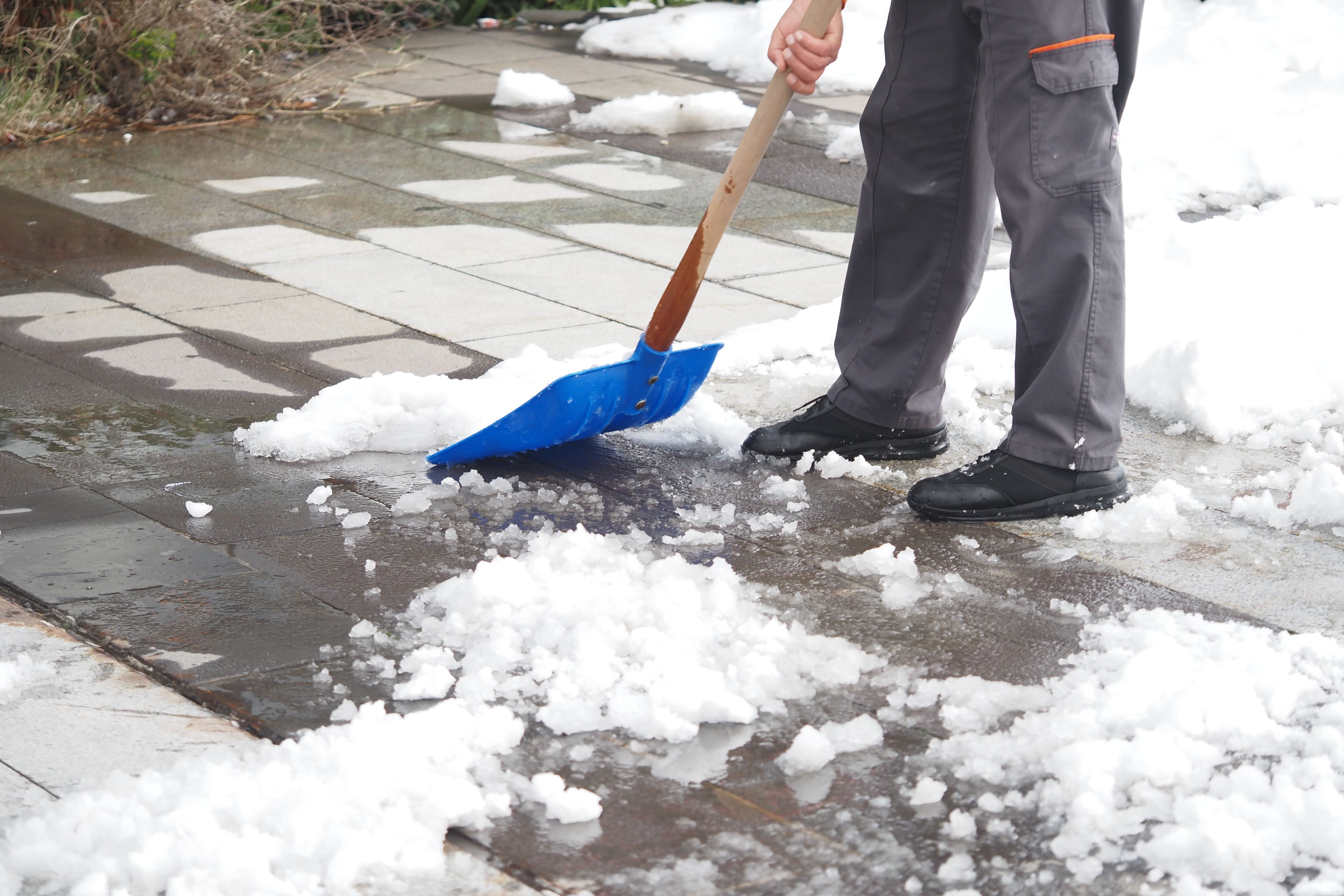
Timely snow and ice removal is key to maintaining safe and accessible properties. Contracting professional snow removal services ensures that pathways, parking lots, and entryways remain clear and safe for tenants and visitors.
It is important to establish a reliable communication system with the snow removal service. This ensures that services are dispatched promptly, reducing the risk of accidents and liabilities.
Utilizing Technology
Incorporating technology into winter management strategies can greatly enhance efficiency. Weather monitoring systems provide real-time data, allowing property managers to anticipate weather changes and respond accordingly.
Smart building technology can also play a significant role. Automated heating systems, for instance, ensure that indoor temperatures remain consistent, preventing pipe freezes and reducing energy costs.
Community Engagement
Engaging with the community is another important aspect of winter management. Property managers should communicate winter plans and safety guidelines to tenants. This fosters cooperation and ensures everyone is prepared for winter challenges.
Hosting winter safety workshops or distributing informational materials can further educate tenants on best practices during winter months.

Conclusion
Effective winter management for commercial properties involves a combination of planning, technology, and community engagement. By implementing these strategies, property managers can navigate the winter months with confidence, ensuring safety and operational continuity.
Learning from successful case studies and adapting proven strategies can significantly enhance the resilience of commercial properties during winter, providing peace of mind for property managers and tenants alike.