
Expert Insights: Navigating Commercial Property Management Challenges


Understanding the Complex Landscape of Commercial Property Management
Commercial property management involves a myriad of challenges that require a strategic approach. From maintaining tenant satisfaction to ensuring regulatory compliance, property managers need to be adept at juggling multiple responsibilities. Understanding the complexities of the industry is essential to effectively navigate these challenges.

Balancing Tenant Relationships and Expectations
One of the most critical aspects of commercial property management is maintaining positive tenant relationships. This involves regular communication, prompt response to maintenance requests, and ensuring a safe environment. Property managers must be proactive in addressing tenant concerns to foster a sense of trust and reliability.
It's important to set clear expectations from the beginning. This includes outlining lease terms, property rules, and the scope of services provided. Transparency and consistency in operations can help prevent misunderstandings and disputes.
Ensuring Regulatory Compliance
Compliance with local, state, and federal regulations is a non-negotiable aspect of commercial property management. Managers must stay informed about changes in laws and regulations that impact property operations. This includes zoning laws, health and safety standards, and environmental regulations.
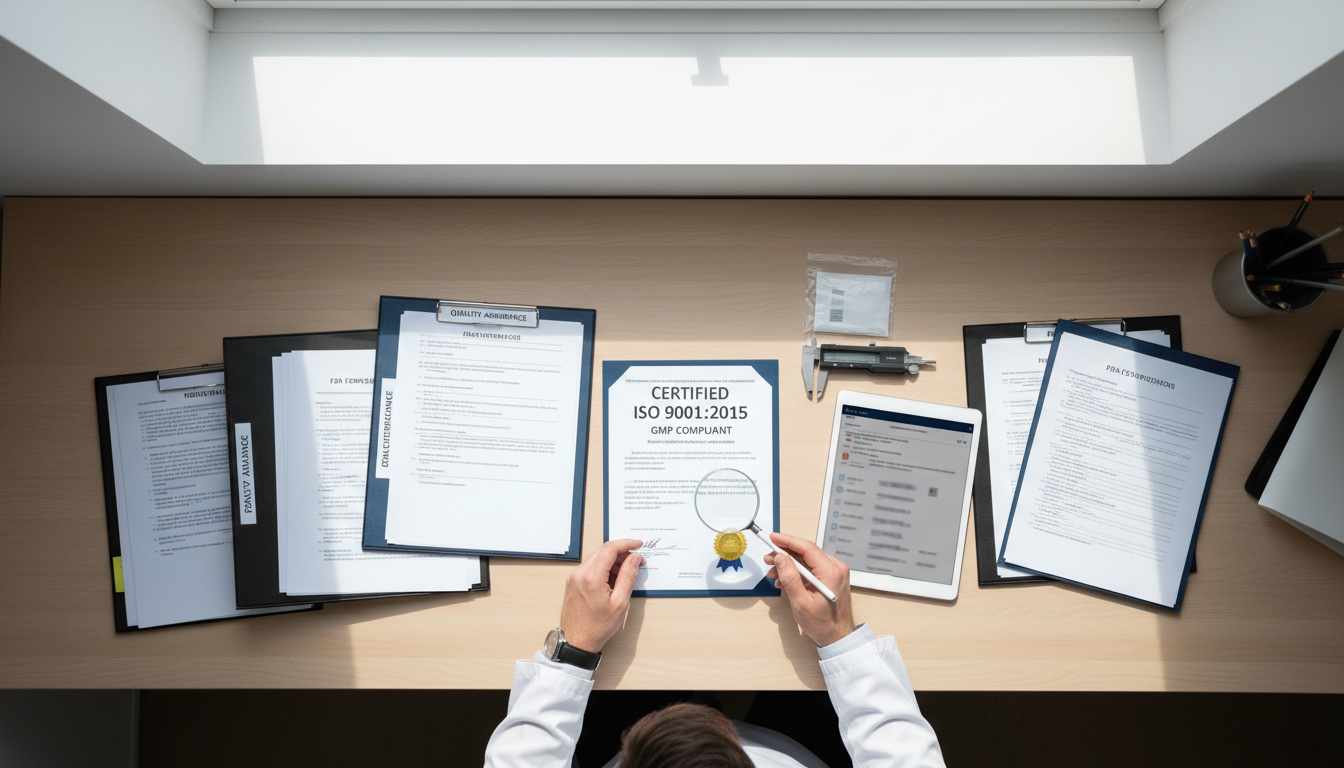
Regular audits and inspections can help ensure ongoing compliance. Investing in training for property management staff on regulatory requirements can also be beneficial in maintaining adherence to legal standards.
Effective Maintenance and Facility Management
Maintaining the physical condition of a commercial property is crucial for tenant satisfaction and asset value. This involves routine inspections, preventive maintenance, and timely repairs. Utilizing technology such as facility management software can streamline maintenance processes and improve efficiency.
A well-maintained property not only attracts new tenants but also retains existing ones. Investing in sustainable and energy-efficient solutions can further enhance property value and reduce operational costs.
Financial Management and Budgeting
Sound financial management is at the core of successful commercial property management. This involves budgeting for operational expenses, forecasting revenue, and managing cash flow. Property managers must have a clear understanding of financial statements and be able to analyze financial data to make informed decisions.

Additionally, implementing robust accounting systems can help track income and expenses accurately. Regular financial reviews and reports provide transparency and help in strategic planning for future growth.
Leveraging Technology for Efficient Operations
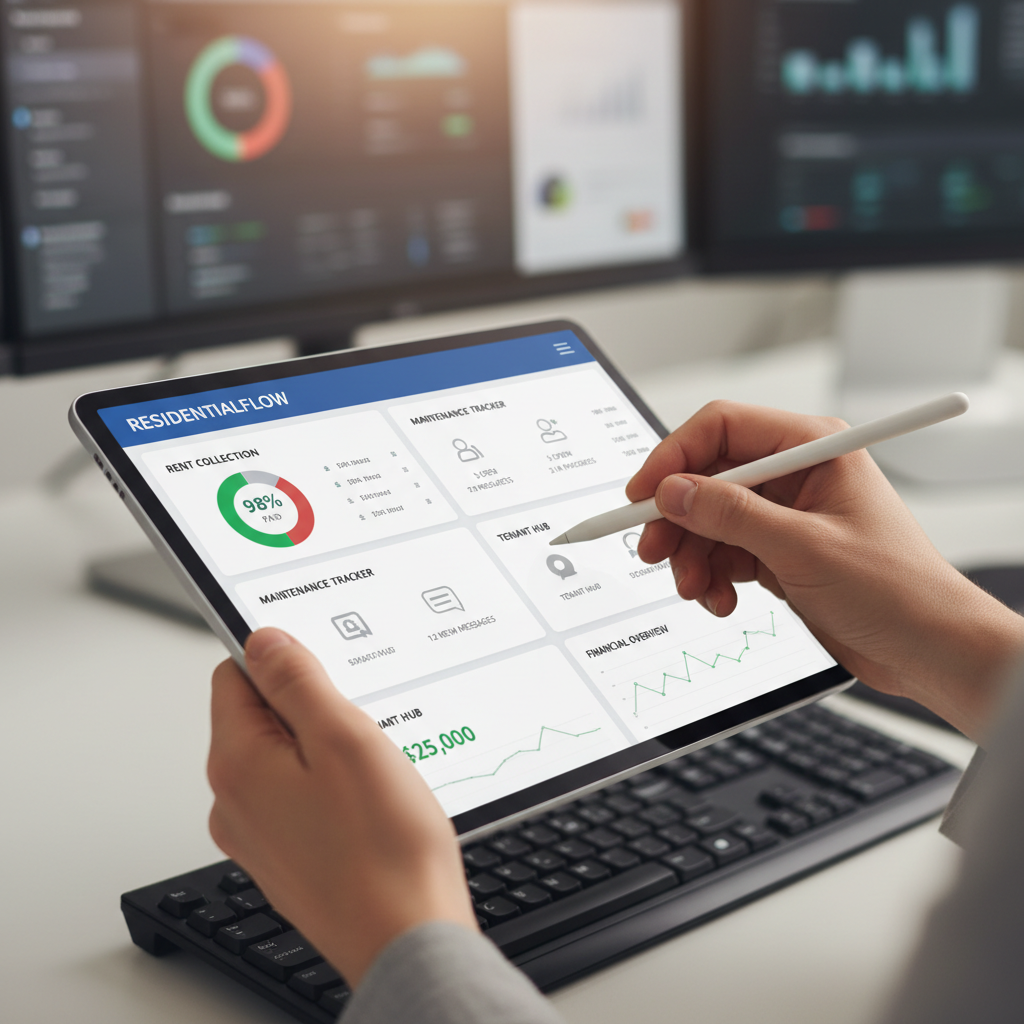
Technology plays a pivotal role in modern commercial property management. From digital lease management to online payment systems, technology solutions can enhance operational efficiency and tenant satisfaction. Embracing technology can also provide valuable data insights that aid in decision-making.
Property managers should continuously explore new technologies and tools that can optimize property operations. This could include adopting smart building technologies, utilizing data analytics, and implementing customer relationship management (CRM) systems.
Conclusion
Commercial property management is a dynamic and challenging field that requires a strategic and informed approach. By focusing on tenant relationships, regulatory compliance, maintenance, financial management, and technology integration, property managers can effectively navigate the complexities of the industry. Continuous learning and adaptation are key to overcoming challenges and achieving success in commercial property management.