
Expert Tips for Effective Property Management in Multi Unit Buildings


Understanding the Basics of Property Management
Managing multi-unit buildings can be a complex task, requiring a blend of strategic planning, effective communication, and efficient operations. Whether you're a seasoned property manager or just starting, understanding the fundamentals is crucial. You'll need to balance tenant satisfaction with property upkeep and financial management.
Establishing Strong Tenant Relations
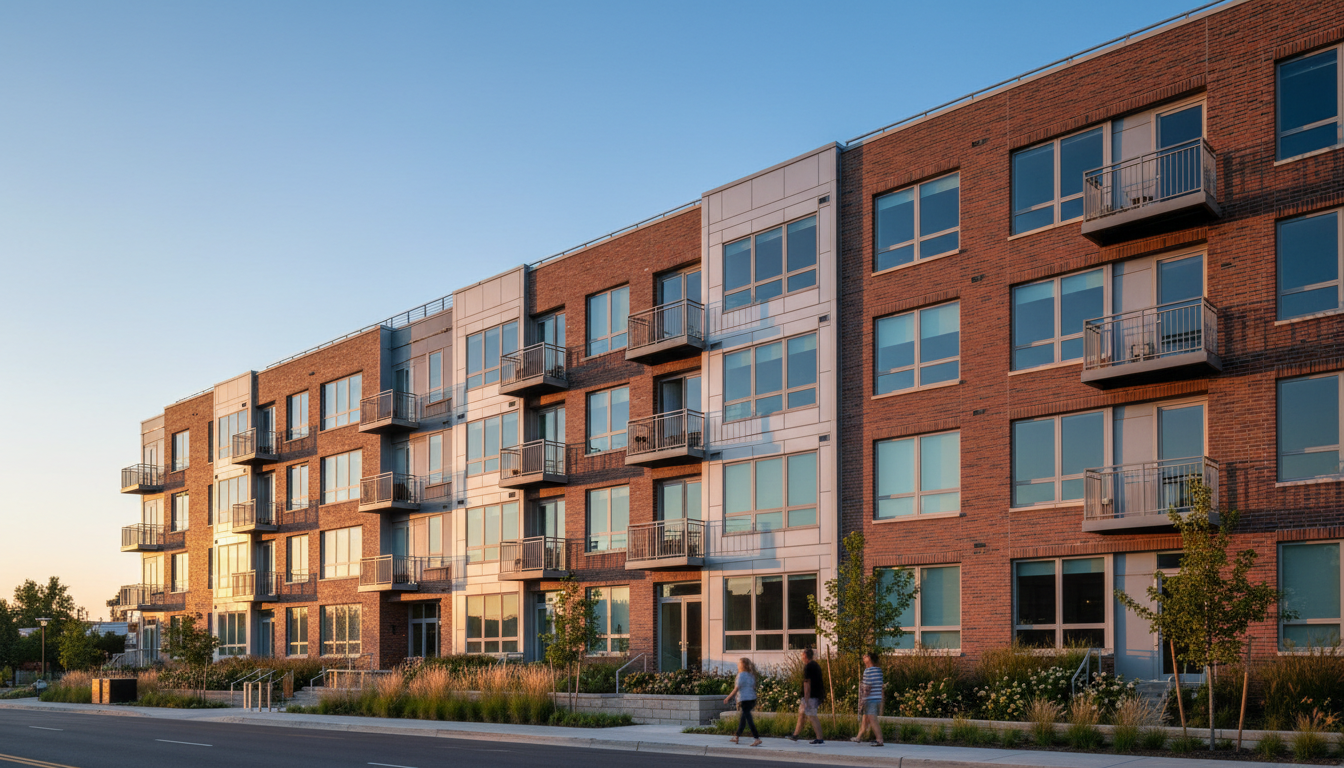
Building strong relationships with tenants is key to successful property management. Regular communication and prompt response to concerns can foster trust and satisfaction. Consider organizing community events or regular meet-and-greets to enhance the sense of community within the building.
It's also essential to establish clear guidelines and expectations from the beginning. This includes providing a comprehensive tenant handbook that covers rules, regulations, and maintenance procedures. Setting the tone early can prevent misunderstandings and conflicts later on.
Efficient Maintenance Practices
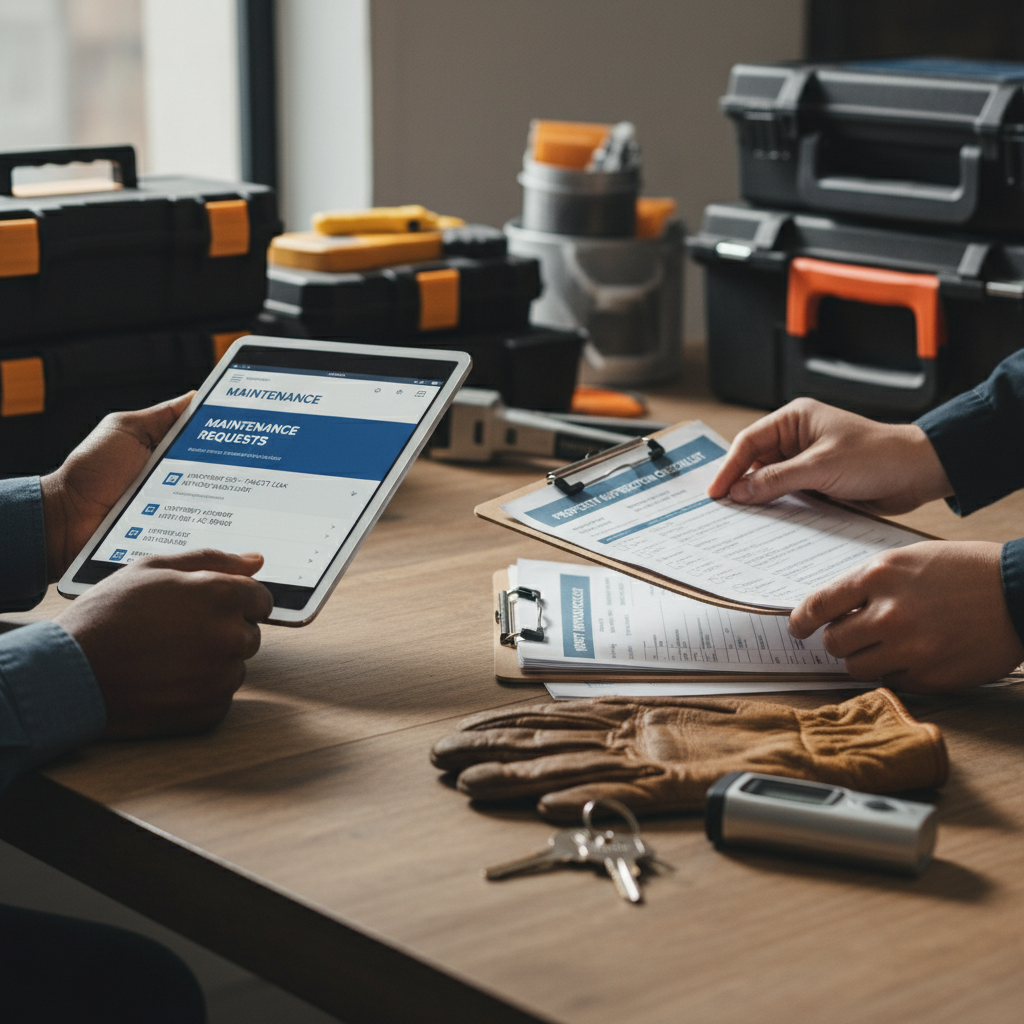
Maintenance is a critical aspect of managing multi-unit properties. Implementing a proactive maintenance schedule can save time and money in the long run. Regular inspections help identify potential issues before they become costly repairs. Consider using property management software to track maintenance requests and schedules.
Financial Management and Budgeting
Effective financial management is the backbone of successful property management. Creating a detailed budget that accounts for all potential expenses, including maintenance, taxes, and unexpected repairs, is essential. Regular financial reviews ensure that you're staying on track and can adjust as needed.
Utilizing accounting software specifically designed for property management can simplify the process. These tools often offer features such as automated rent collection, expense tracking, and financial reporting.

Leveraging Technology for Efficiency
In today's digital age, technology can significantly enhance property management efficiency. From online rent payment systems to virtual tours and digital lease agreements, technology offers numerous tools to streamline operations and improve tenant experiences.
Consider implementing a tenant portal where residents can submit maintenance requests, pay rent, and communicate with management. This not only enhances convenience but also reduces administrative workload.
Legal Compliance and Risk Management
Staying compliant with local, state, and federal laws is vital to managing multi-unit buildings. This includes adhering to fair housing laws, health and safety regulations, and building codes. Regularly review and update your policies to ensure compliance.
Risk management involves identifying potential risks and implementing measures to mitigate them. This can include installing security systems, conducting regular safety inspections, and having a clear emergency response plan in place.
Continuous Improvement and Education
The property management industry is constantly evolving, with new challenges and opportunities arising regularly. Engaging in continuous education and staying informed about industry trends can keep you ahead of the curve.
Consider joining property management associations or attending workshops and seminars. Networking with other professionals can provide valuable insights and support your professional growth.
Conclusion
Effective property management in multi-unit buildings requires a multifaceted approach, combining strong tenant relations, efficient maintenance practices, sound financial management, and legal compliance. By staying informed and leveraging technology, property managers can enhance operations and create thriving communities.