
Sustainable Building Practices for Multifamily Properties: A Comprehensive Guide


Sustainability in building practices is no longer just a trend; it has become a crucial aspect of modern construction, especially in multifamily properties. Integrating eco-friendly methods can significantly reduce environmental impact while offering financial benefits. This comprehensive guide explores sustainable building practices tailored for multifamily properties, highlighting the importance of each step.
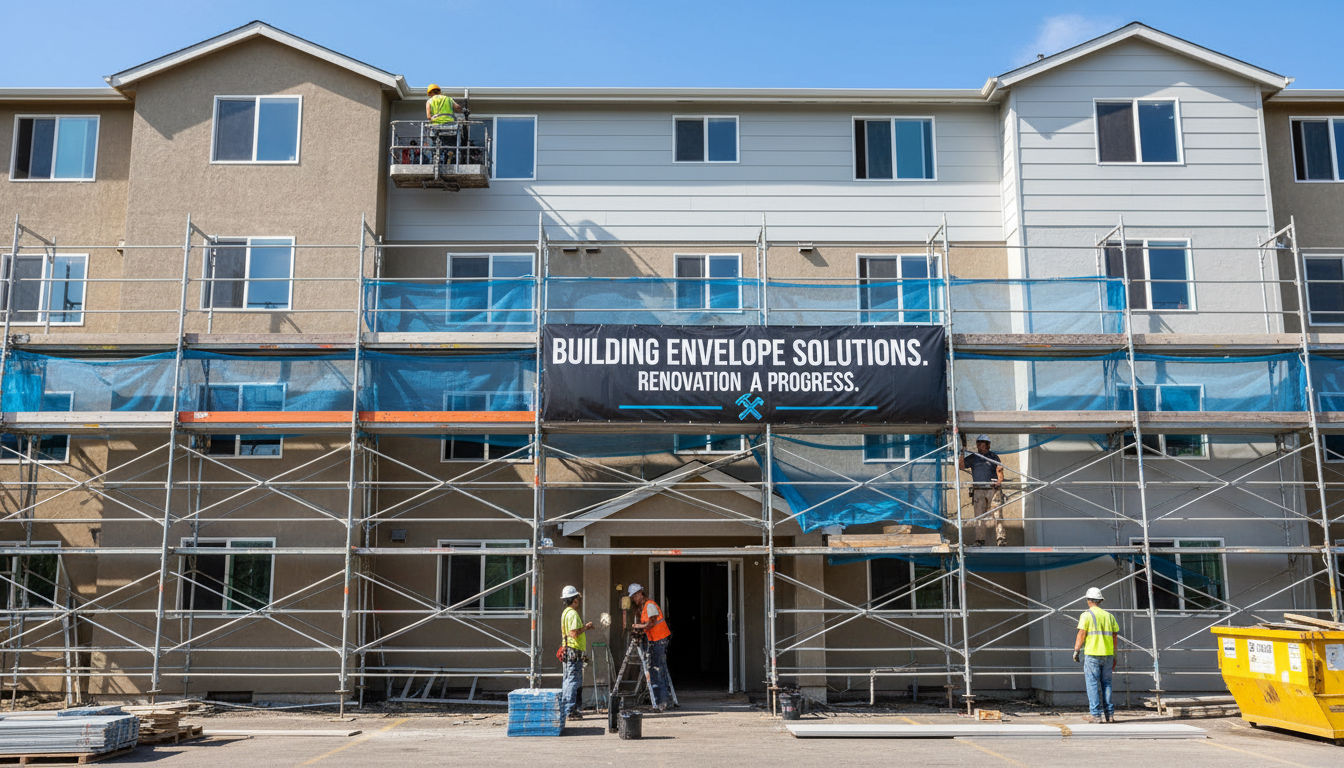
Understanding Sustainable Building
Sustainable building refers to the use of eco-friendly resources and practices that minimize environmental damage. For multifamily properties, this means implementing methods that not only reduce carbon footprints but also enhance the living experience for residents. The growing demand for sustainable housing is driving developers to consider green alternatives that align with both economic and environmental goals.
Key elements of sustainable building include energy efficiency, water conservation, and the use of sustainable materials. These components work together to create properties that are not only kinder to the planet but also more cost-effective in the long run.
Energy Efficiency
Energy efficiency is a cornerstone of sustainable building. Multifamily properties can achieve this by integrating renewable energy sources such as solar panels and wind turbines. Additionally, implementing energy-efficient appliances and LED lighting can significantly cut down energy consumption.
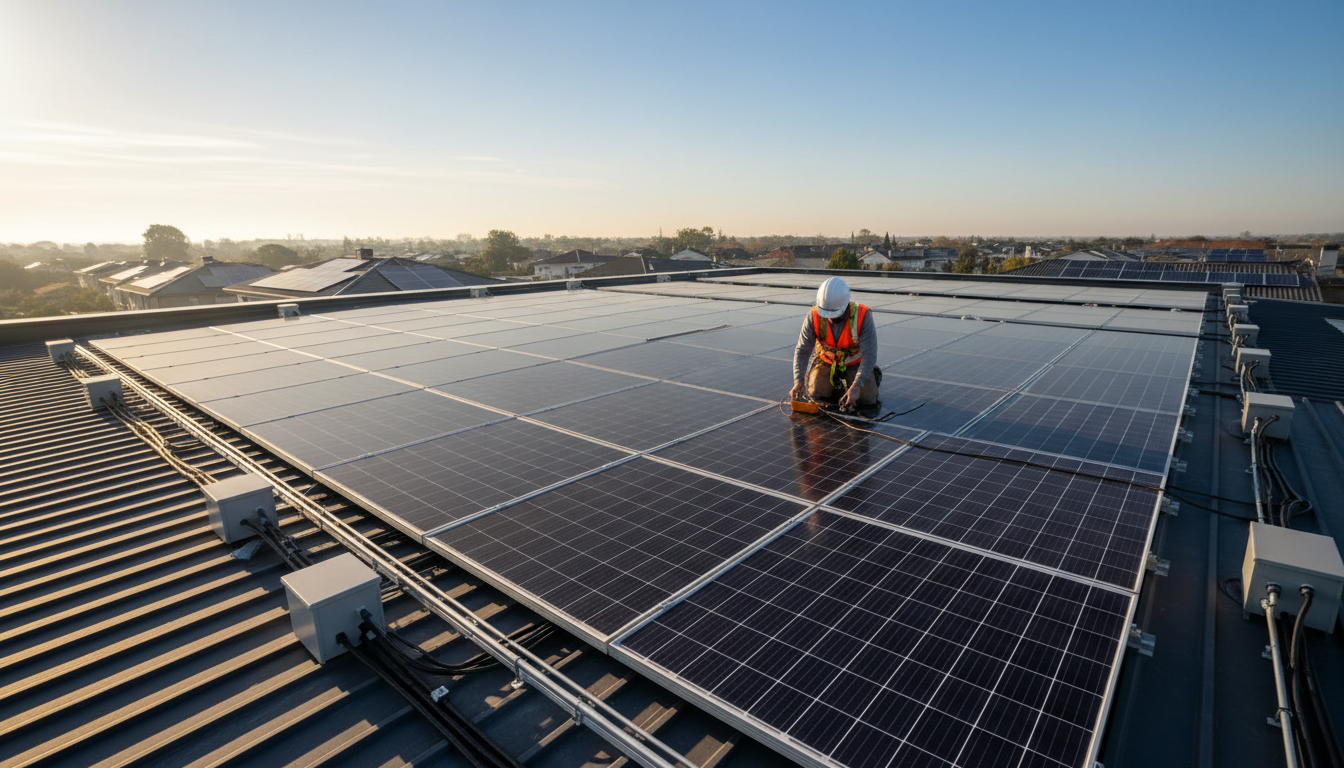
Building design also plays a critical role. Proper insulation, energy-efficient windows, and strategic building orientation can reduce the need for artificial heating and cooling. These measures lead to a decrease in utility costs and a more comfortable living environment for tenants.
Water Conservation Techniques
Water conservation is another vital aspect of sustainability. Multifamily properties can implement systems that reduce water usage and promote recycling. Low-flow faucets, dual-flush toilets, and drought-resistant landscaping are practical ways to conserve water.

Rainwater harvesting and greywater systems can further enhance water efficiency. By reusing water, properties can reduce their reliance on municipal sources, leading to significant savings and environmental benefits.
Sustainable Materials
Choosing sustainable materials is essential in reducing the environmental impact of construction. Opt for materials that are locally sourced, recycled, or have low emissions. Bamboo, reclaimed wood, and recycled metal are excellent choices that offer durability and aesthetic appeal.
Beyond the materials themselves, consider the sourcing and manufacturing processes. Ensure that suppliers adhere to sustainable practices, contributing to a greener supply chain.
Financial Benefits and Incentives
Investing in sustainable building practices can lead to substantial financial rewards. Many governments offer incentives and tax breaks for eco-friendly construction, making it a financially viable choice for developers.

Moreover, sustainable properties often command higher rental rates and attract environmentally conscious tenants. The long-term savings on utilities and maintenance further enhance the economic appeal of green building practices.
Enhancing Resident Experience
Beyond financial gains, sustainable buildings offer a superior living experience. Improved air quality, natural lighting, and energy-efficient systems create a healthier environment for residents. These features not only enhance comfort but also contribute to overall well-being.
By prioritizing sustainability, developers can meet the growing demand for eco-friendly housing while making a positive impact on the environment. Embracing these practices is a forward-thinking approach that benefits everyone involved, from developers to tenants and the planet.