
Sustainable Building Practices for Multifamily Properties: A Comprehensive Overview


Introduction to Sustainable Building Practices
In recent years, sustainable building practices have become a focal point in the construction of multifamily properties. As environmental concerns continue to rise, both developers and residents are seeking ways to minimize their carbon footprints. Implementing sustainable strategies not only benefits the environment but also enhances the living experience by reducing energy costs and improving air quality.
Why Sustainability Matters
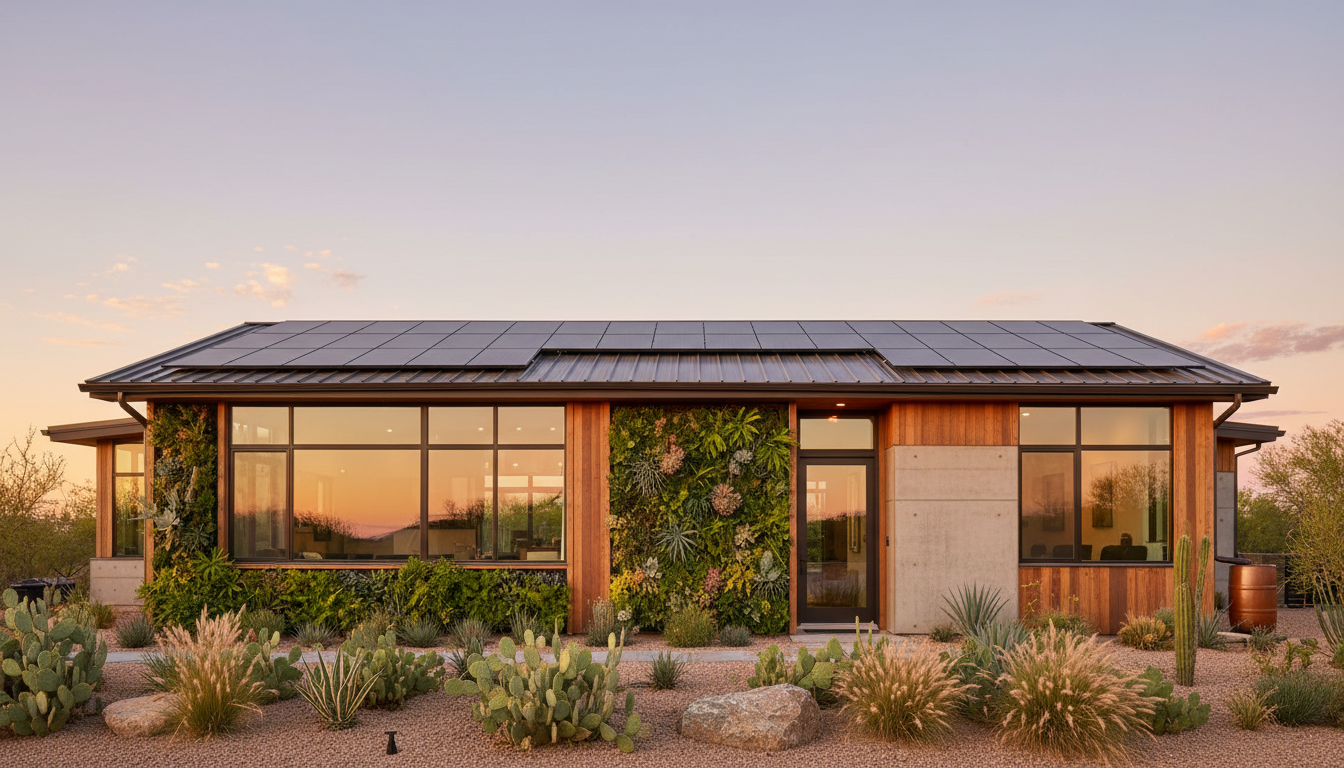
Sustainability in construction is crucial for reducing the environmental impact of buildings. Multifamily properties, in particular, have a significant role to play due to their size and the number of occupants they house. By adopting green building techniques, these properties can greatly reduce waste, conserve water, and lower energy consumption. Additionally, sustainable buildings often have a higher market value and attract environmentally conscious tenants.
Energy Efficiency
One of the primary aspects of sustainable building is energy efficiency. This can be achieved through various means, such as installing energy-efficient appliances, using LED lighting, and implementing smart building technologies. These practices not only decrease energy consumption but also result in substantial cost savings for property owners and tenants alike.
Materials and Resources
The choice of materials plays a significant role in sustainable construction. Opting for eco-friendly materials such as recycled steel, bamboo, and reclaimed wood can drastically reduce the environmental impact. Additionally, sourcing materials locally minimizes transportation emissions and supports the local economy.
Water Conservation
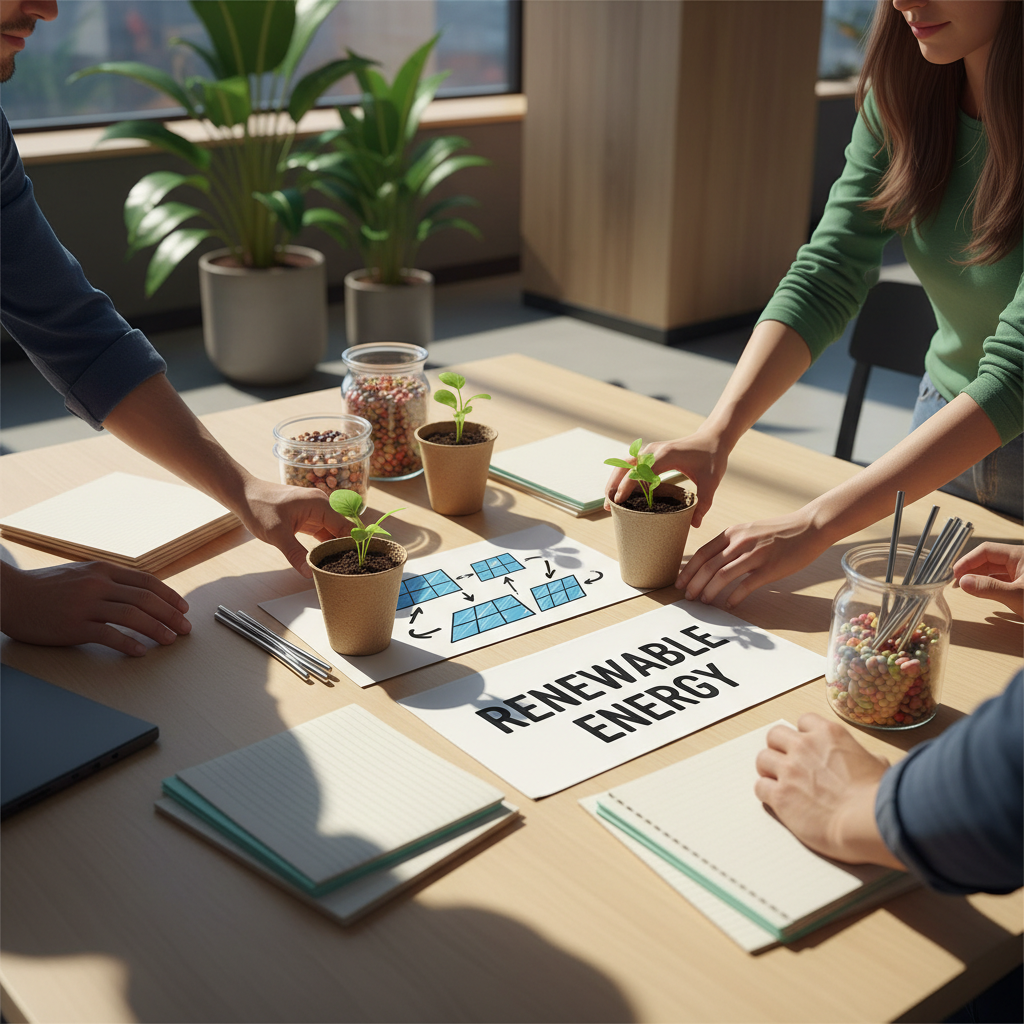
Water conservation is another critical component of sustainable building practices. Installing low-flow fixtures, utilizing rainwater harvesting systems, and implementing landscaping strategies that require minimal irrigation can significantly reduce water usage in multifamily properties. These measures not only conserve water but also contribute to lower utility bills.
Indoor Environmental Quality
Improving indoor environmental quality is essential for the health and well-being of residents. This includes ensuring proper ventilation, using non-toxic building materials, and incorporating natural lighting. These practices help to create a healthier living environment and can lead to increased tenant satisfaction and retention.
Certification and Standards
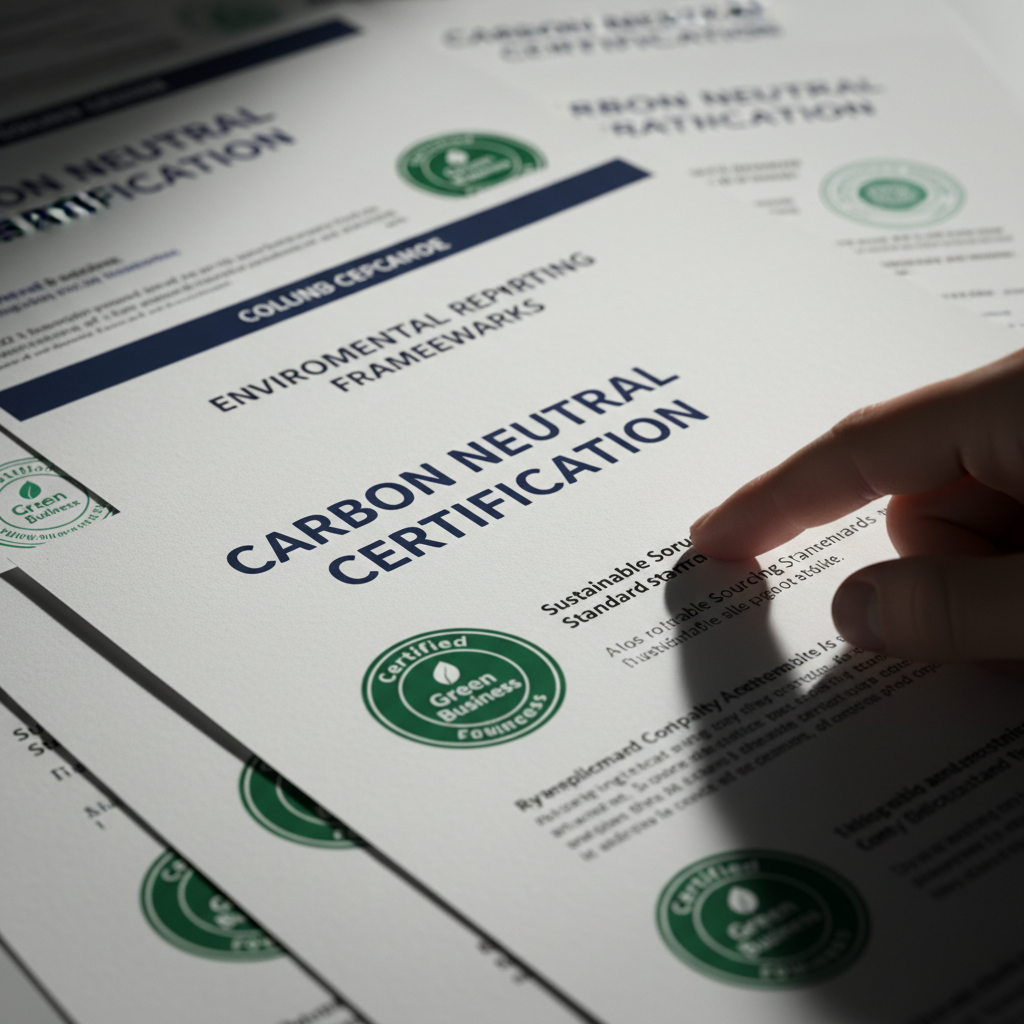
There are several certifications and standards in place to guide sustainable building practices, such as LEED (Leadership in Energy and Environmental Design) and BREEAM (Building Research Establishment Environmental Assessment Method). These certifications provide a framework for developers to follow and ensure that their properties meet specific sustainability criteria.
The Future of Multifamily Sustainable Building
As technology advances and awareness of environmental issues grows, the future of sustainable building looks promising. Innovations such as green roofs, solar panels, and advanced energy management systems are becoming more accessible and affordable. Multifamily properties that embrace these innovations will not only contribute to a healthier planet but also offer a competitive edge in the real estate market.
In conclusion, sustainable building practices for multifamily properties are crucial for creating environmentally responsible and economically viable developments. By focusing on energy efficiency, resource conservation, and indoor environmental quality, developers can build properties that meet the needs of today while preserving resources for future generations.