
The Ins and Outs of Lease Administration for Commercial Properties


Understanding Lease Administration
Lease administration is a critical component in the management of commercial properties. It involves overseeing lease agreements to ensure compliance, accuracy, and efficiency. The primary goal is to maximize the value of the property while minimizing risks associated with lease agreements.

The Role of a Lease Administrator
A lease administrator is responsible for maintaining lease records, ensuring timely payments, and coordinating with tenants and landlords. They play a pivotal role in managing the financial aspects of property rentals and ensuring that all parties adhere to the contractual obligations.
Key responsibilities include managing rent collections, tracking lease terms, and handling renewals and amendments. Effective lease administration can significantly impact a property's profitability and tenant satisfaction.
Key Components of Lease Administration
Lease administration involves several essential components that contribute to its effectiveness. These components ensure that the property is managed efficiently and that both landlords and tenants are satisfied with their agreements.
Lease Abstracting
Lease abstracting is the process of summarizing lease agreements to highlight crucial information such as rent terms, renewal options, and maintenance obligations. This summary enables quick reference and ensures that all parties are aware of their responsibilities.
Rent Collection and Financial Reporting
Ensuring timely rent collection is vital for the financial health of a commercial property. Lease administrators are tasked with tracking payments, addressing late fees, and generating financial reports to provide insight into the property's performance.
Challenges in Lease Administration
Despite its importance, lease administration comes with its own set of challenges. These challenges can impact the efficiency and effectiveness of property management.

Complex Lease Terms
Commercial leases often contain complex terms that require careful management. Lease administrators must be proficient in interpreting these terms to ensure compliance and avoid disputes.
Technology Integration
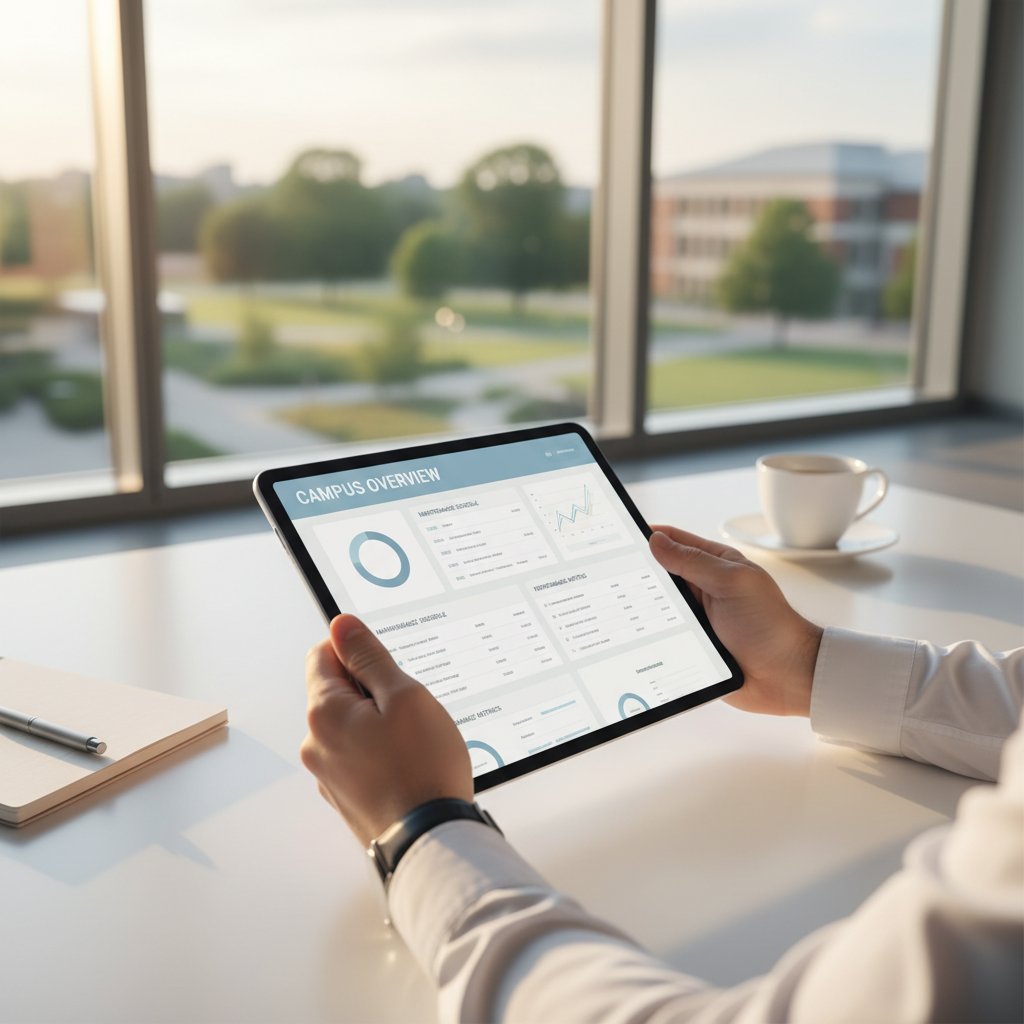
Integrating technology in lease administration can streamline processes and reduce manual errors. However, selecting the right software and ensuring its proper implementation can be a daunting task for many property managers.
Best Practices for Effective Lease Administration
Adopting best practices can enhance the efficiency of lease administration and ensure that properties are managed effectively.
Regular training for lease administrators, maintaining open communication with tenants, and utilizing technology for data management are some of the strategies that can lead to successful lease administration.
In conclusion, lease administration is a vital function in the management of commercial properties. By understanding its components, addressing challenges, and implementing best practices, property managers can ensure the smooth operation and financial success of their properties.