
The Ultimate Guide to Multi Unit Property Management in AB


Understanding Multi-Unit Property Management
Managing multi-unit properties in Alberta (AB) can be a rewarding yet challenging endeavor. With multiple tenants and units to oversee, property managers must be well-versed in various aspects of real estate management. This guide will provide you with the essential insights and strategies to efficiently manage your property.
Multi-unit properties can range from duplexes to large apartment complexes. Each type requires a unique approach to management, including tenant relations, maintenance, and compliance with local regulations. Understanding these differences is crucial for successful management.

Effective Tenant Management
One of the most critical components of property management is handling tenant relationships. Clear communication is key to maintaining a positive environment. Regularly updating tenants about changes, addressing their concerns promptly, and fostering a community spirit can significantly enhance tenant satisfaction.
Screening tenants is another essential task. A thorough screening process helps ensure reliable and responsible tenants, reducing the risk of late payments and property damage. Utilize background checks, credit reports, and references to find the best candidates.
Maintenance and Upkeep
Proper maintenance is vital to preserving the value of your property and ensuring tenant satisfaction. Regular inspections, timely repairs, and preventive maintenance can help avoid costly issues down the line. Establishing a maintenance schedule and a system for tenants to report issues can streamline this process.

Landscaping and common area upkeep are also crucial. These areas often form tenants' first impressions and can significantly impact their overall experience. Keeping these spaces clean and well-maintained demonstrates your commitment to providing a quality living environment.
Financial Management
Managing finances effectively is another critical aspect. This includes setting competitive rental rates, collecting rent on time, and managing expenses. Using property management software can simplify these tasks, allowing you to track income and expenses, manage budgets, and generate financial reports.
Additionally, maintaining an emergency fund for unexpected repairs or vacancies is wise. This ensures you can handle unforeseen expenses without disrupting your cash flow.

Legal and Regulatory Compliance
Navigating the legal landscape is essential for property managers. Familiarize yourself with Alberta’s Residential Tenancies Act and any local bylaws that may affect your property. Staying compliant helps avoid legal issues and ensures a smooth operation.
It's also important to have clear lease agreements and policies in place. These documents should outline terms, responsibilities, and procedures for handling disputes, providing a clear framework for both managers and tenants.
Technology in Property Management
Leveraging technology can significantly enhance property management efficiency. Property management software can automate routine tasks such as rent collection, maintenance requests, and tenant communication, freeing up your time for more strategic activities.
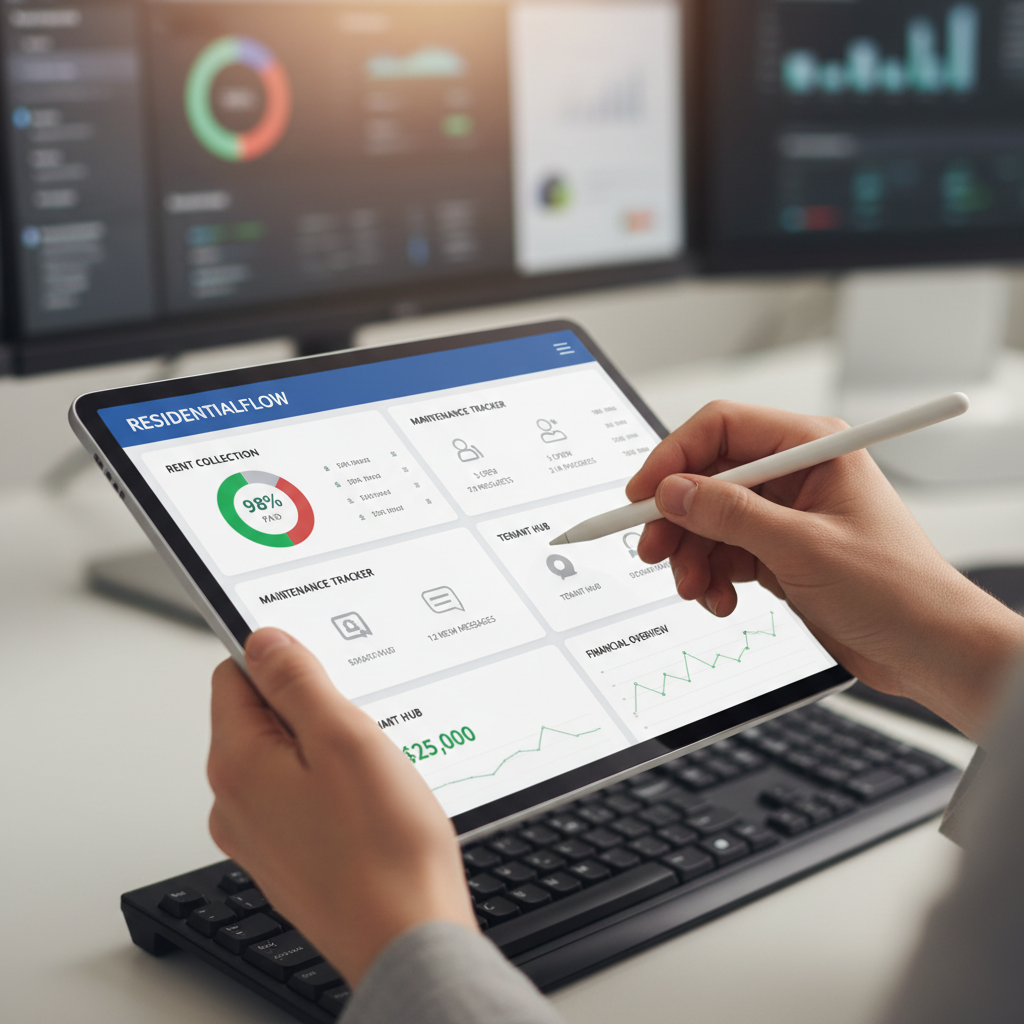
Moreover, using digital platforms for marketing can help reach a wider audience and fill vacancies more quickly. Online listings and virtual tours are increasingly popular, allowing potential tenants to view properties from the comfort of their homes.
Building a Community
Creating a sense of community within your property can lead to higher tenant retention rates. Organizing events, encouraging tenant interaction, and providing amenities can foster a positive living environment.
Feedback mechanisms, such as surveys or suggestion boxes, can also be valuable. They allow tenants to voice their opinions and feel involved in the community, further enhancing satisfaction and loyalty.