
What Does a Property Manager Do for Multi-Unit Buildings? A Comprehensive Guide


Understanding the Role of a Property Manager
Managing multi-unit buildings presents unique challenges and requires a specialized skill set. A property manager plays a crucial role in ensuring these properties run smoothly, efficiently, and profitably. This guide delves into the multifaceted responsibilities of property managers in multi-unit buildings.
At its core, the role of a property manager is to act as the intermediary between property owners and tenants. They handle everything from tenant screening to rent collection, ensuring that both parties' needs and expectations are met.
Tenant Management and Relations
One of the primary responsibilities of a property manager is tenant management. This includes attracting and retaining quality tenants through effective marketing and thorough screening processes. By conducting background checks and interviews, property managers help ensure that the building's community is harmonious and stable.
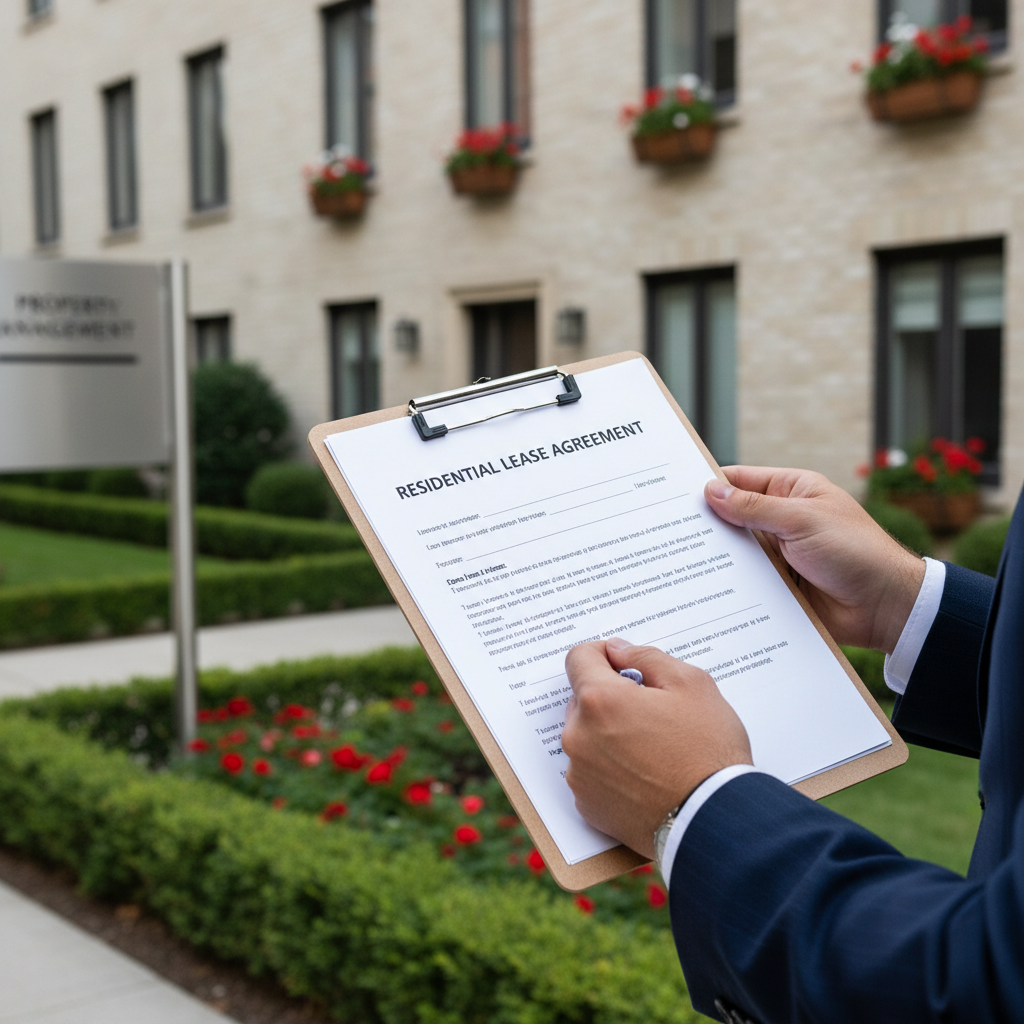
Once tenants are in place, property managers handle lease agreements, renewals, and terminations. They are also responsible for addressing tenant concerns and disputes, maintaining open lines of communication to foster a positive living environment.

Maintenance and Repairs
Ensuring that the property is well-maintained is another critical duty. Property managers schedule regular maintenance and handle emergency repairs, coordinating with contractors and service providers. This proactive approach helps prevent issues from escalating and keeps the property in excellent condition.
Routine inspections are often conducted to assess the property's condition and identify any potential problems. By addressing issues promptly, property managers help extend the lifespan of the building's infrastructure and systems.

Financial Management
Property managers are tasked with the financial oversight of the property. This includes setting rental rates, collecting rent, and managing budgets. They also handle financial reporting, providing property owners with detailed insights into income and expenses.
By ensuring that rents are competitive and expenses are controlled, property managers help maximize the profitability of the property. They also oversee tax filings and ensure compliance with local regulations.
Legal Compliance and Risk Management
Staying compliant with local, state, and federal regulations is essential in property management. Property managers must be well-versed in housing laws, safety standards, and fair housing regulations to protect both the property and its residents.
Part of this responsibility involves risk management, which includes obtaining and maintaining insurance coverage, addressing safety concerns, and implementing security measures to protect the property and its tenants.

Enhancing Property Value
Ultimately, a property manager's efforts aim to enhance the value of the property. By maintaining high occupancy rates, reducing turnover, and ensuring the property is well-maintained, managers contribute to an increase in the property's market value.
A skilled property manager not only maintains the property but also looks for opportunities to make improvements and upgrades that can further enhance its appeal and profitability.